Solution 03
Computer Vision
Cameras that count, check and warn — not just record.
Cameras that count, check and warn — not just record.
Most businesses already have cameras. Almost all of them are only used to look back at something after it went wrong. Computer vision makes them useful in the present: counting what passes, checking what is made, spotting what should not be there, and telling someone while it still matters. It runs on the footage you already capture, and where the connection is poor it runs on a small box on site rather than in a data centre abroad.
Where the cameras go
- operatoroperatorpanelsurface defect
Manufacturing & industry
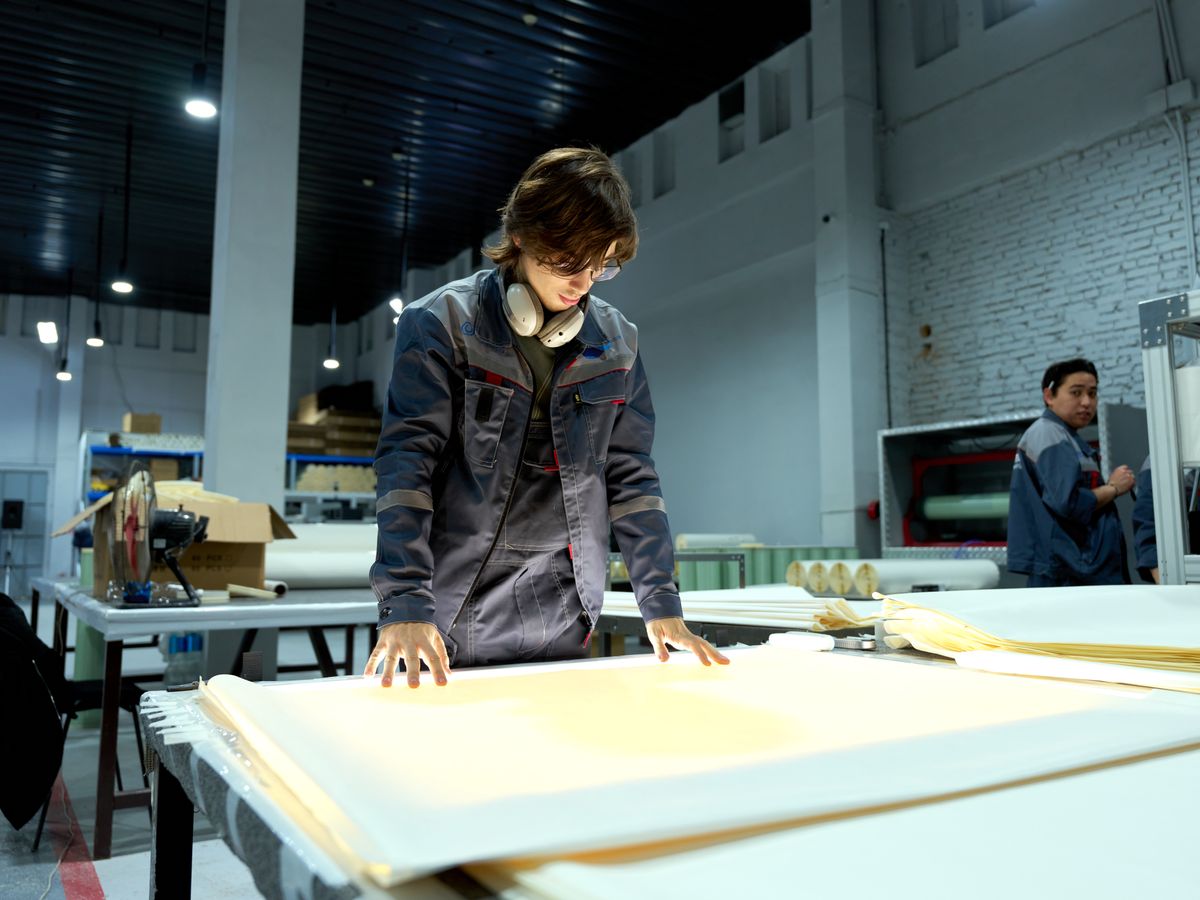
Quality checks that do not depend on how tired the inspector is at the end of a shift, and counts that match what actually left the line.
- 01Defect and contamination detection on the line
- 02Assembly and packaging verification before dispatch
- 03Production counting, yield and downtime measurement
- waiting areaqueueseats free
Healthcare & clinics
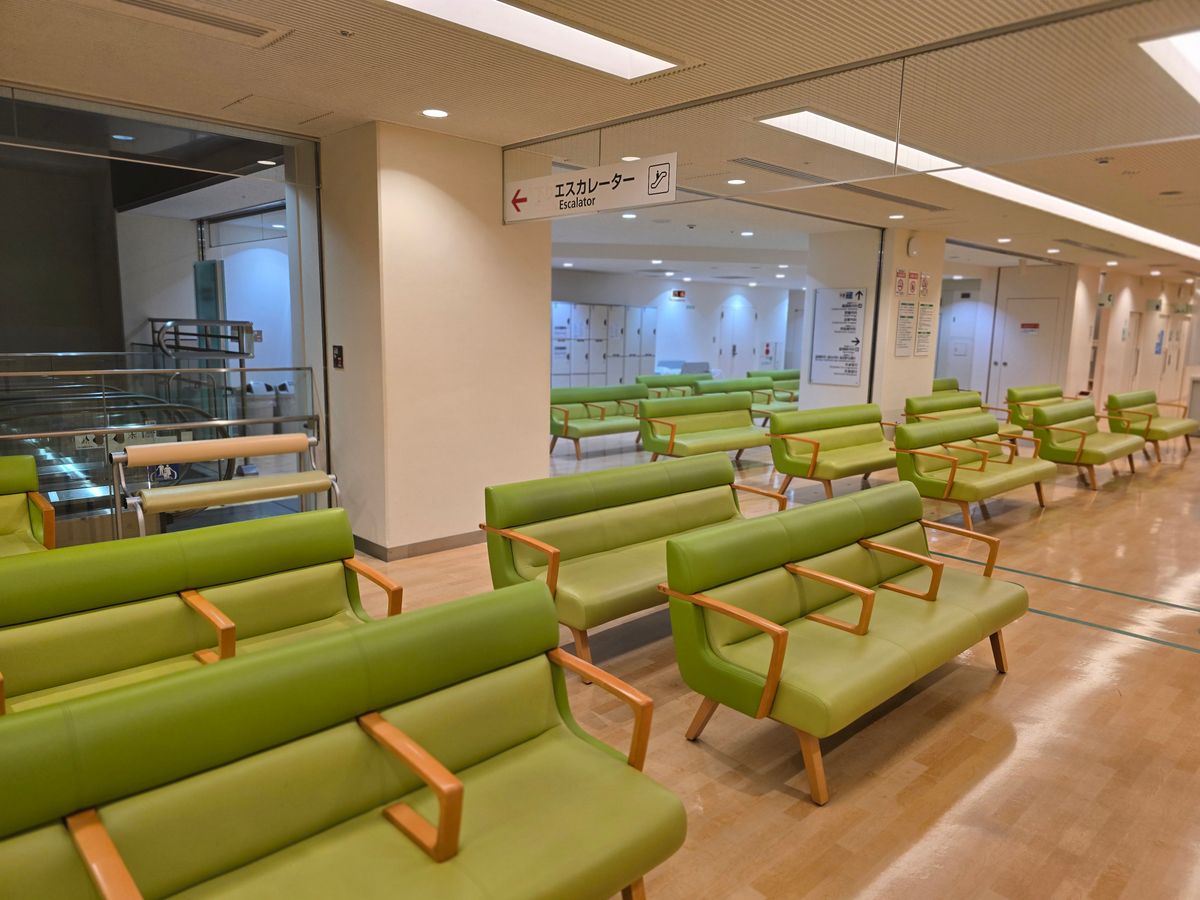
Vision applied to the parts of a hospital that are measurable — flow, occupancy, compliance and triage support — with clinical decisions left where they belong, with clinicians.
- Waiting-room occupancy and queue-time measurement
- Hand hygiene and protective-equipment compliance
- Imaging triage support that flags for review, never diagnoses alone
- parcelparcelparcelbarcode
Logistics & warehousing
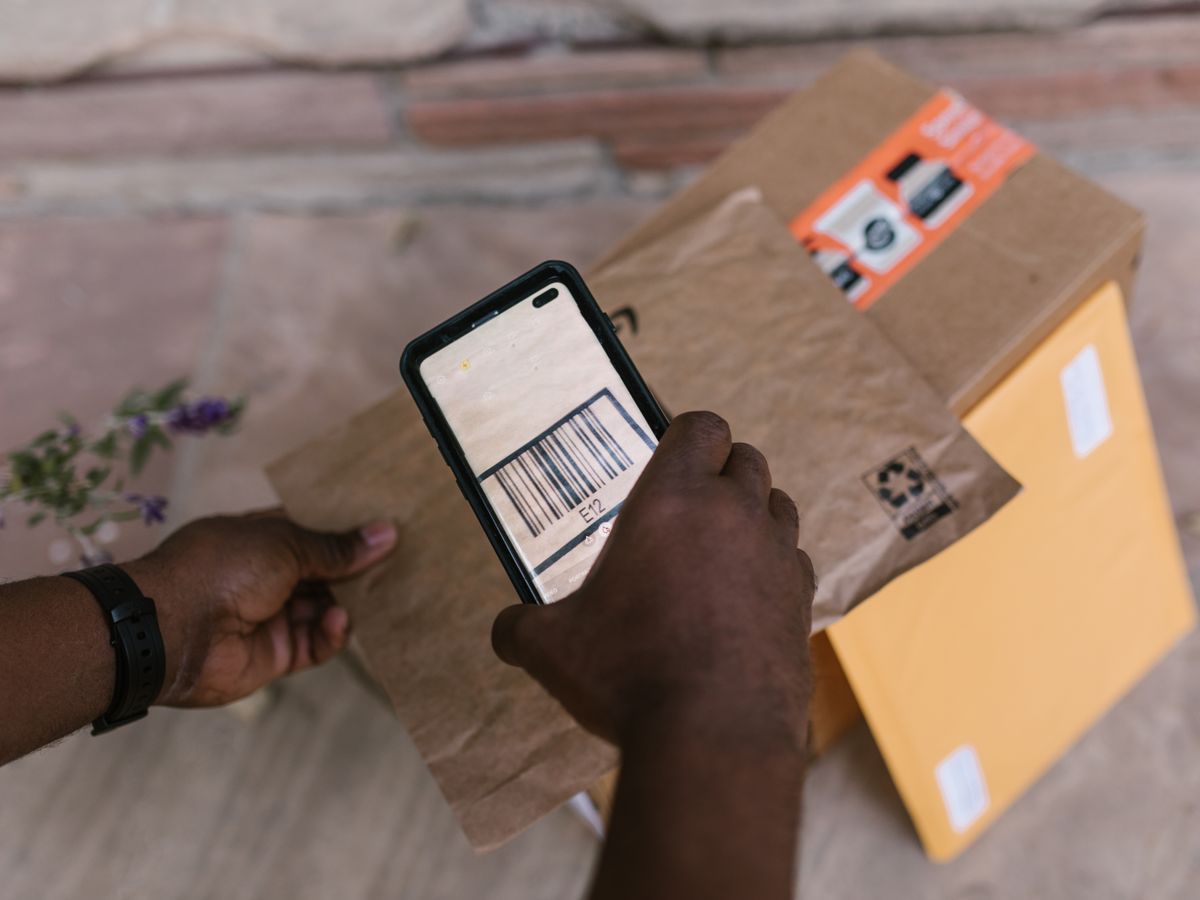
Know what came in, what went out and how long the truck sat at the bay — without anyone standing there with a clipboard.
- Parcel, pallet and carton counting at receipt and dispatch
- Loading-bay dwell time and yard occupancy
- Number-plate and container-code reading at the gate
- facingsfacingsfacingsgap
Retail & distribution
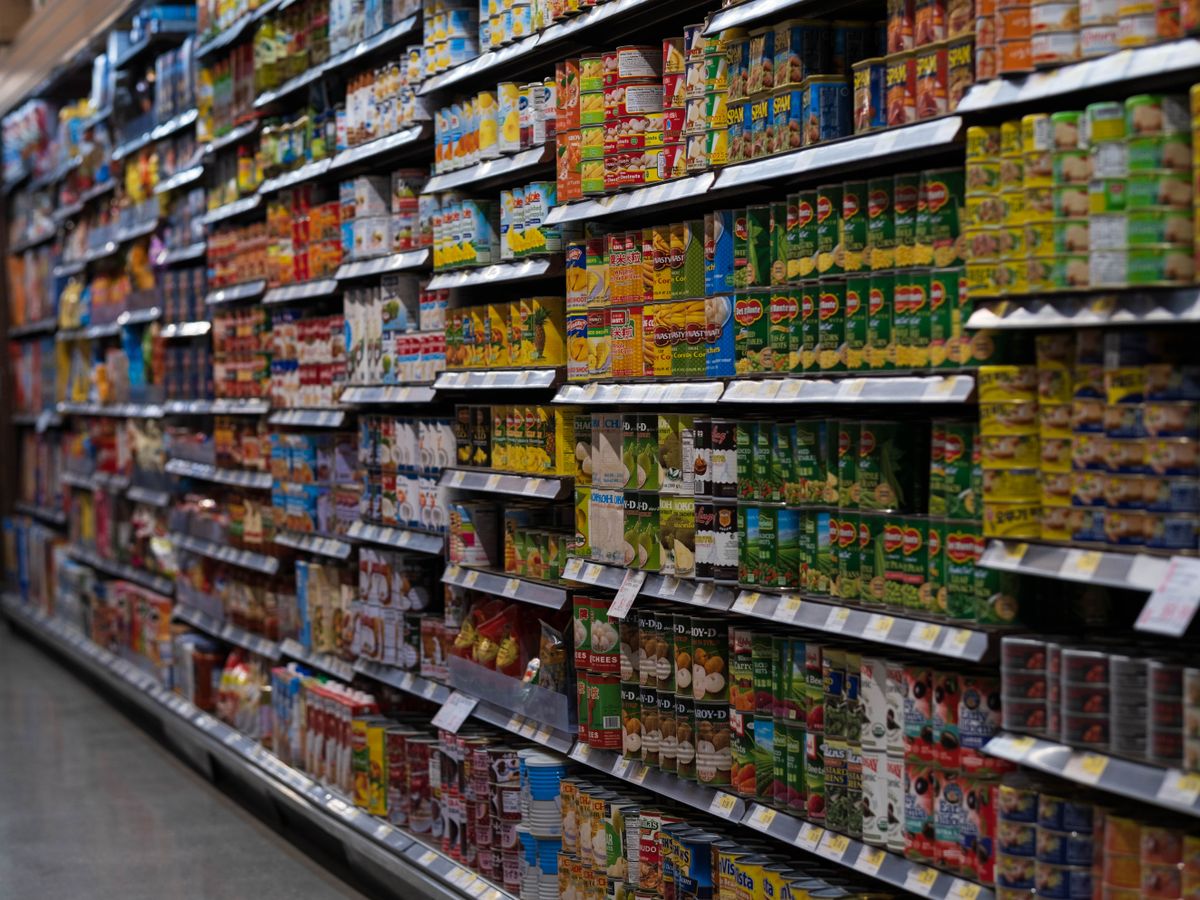
The two things that quietly cost a shop money are an empty shelf and a queue nobody noticed. Both are visible from a camera you already own.
- 01Shelf availability and planogram compliance
- 02Footfall, dwell time and conversion by zone
- 03Queue length alerts before customers walk out
- crop blockstress zonecanopy gap
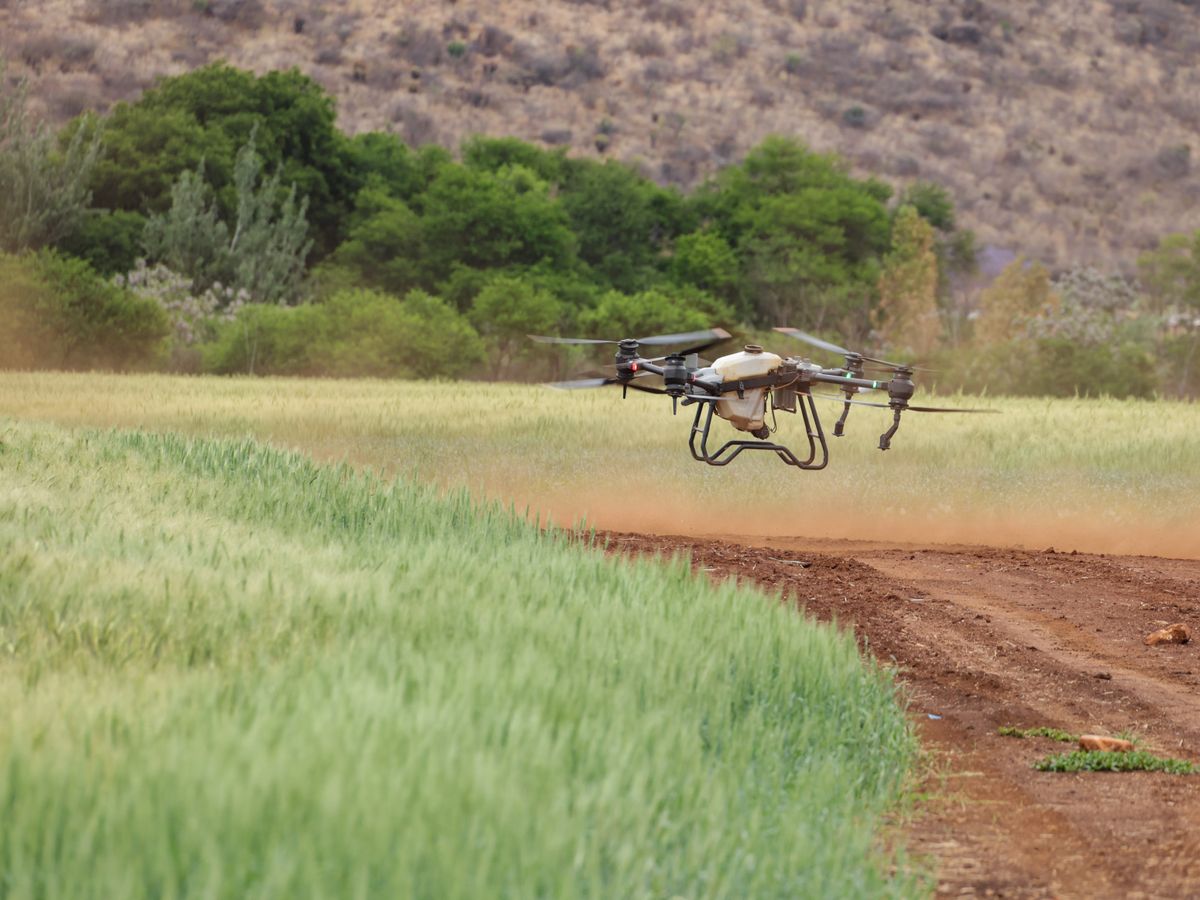
Robotics, drones & agriculture
Vision for things that move — inspection at height, over distance, or across land nobody can walk in a day.
- Drone inspection of sites, roofs, pylons and pipelines
- Crop health, coverage and yield estimation from the air
- Navigation and pick-and-place vision for robotic systems
- helmetglovesrestricted zone
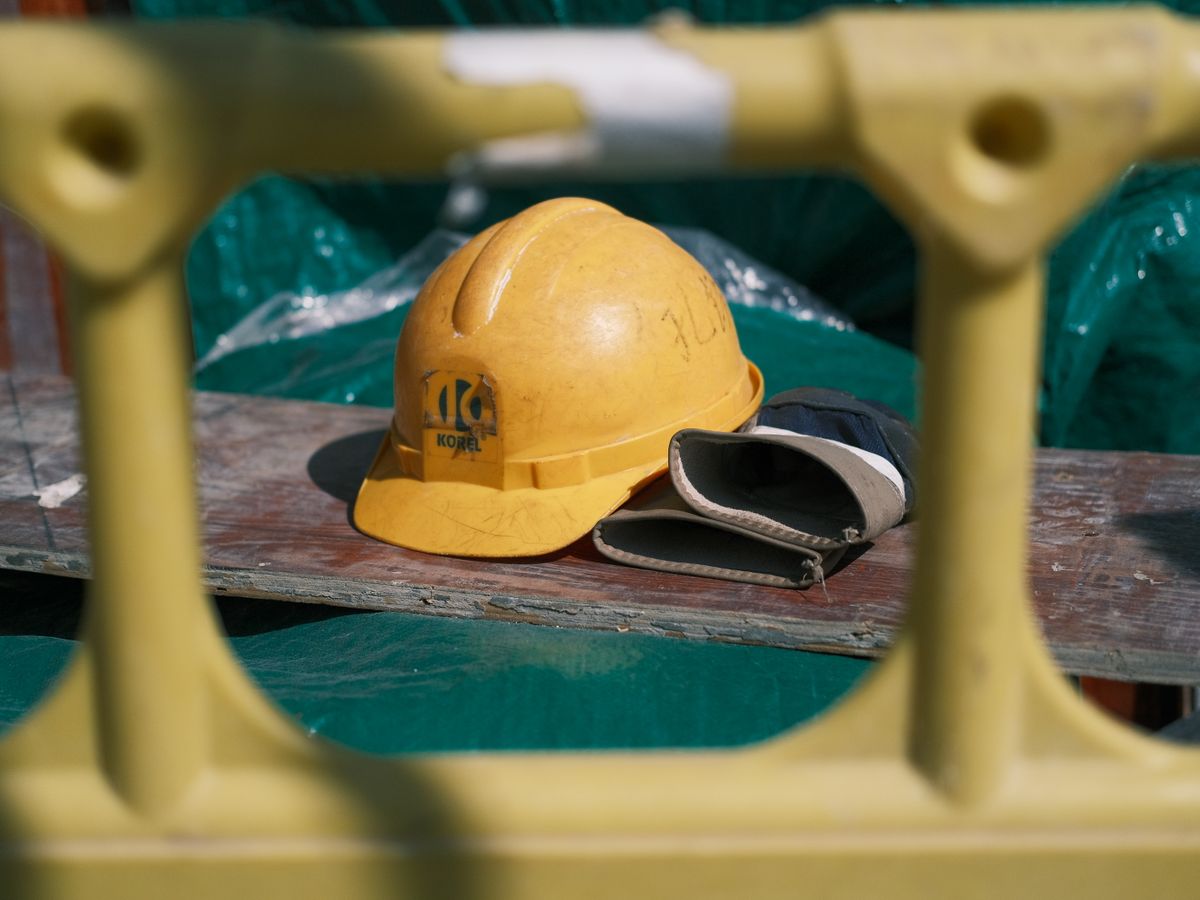
Safety & site security
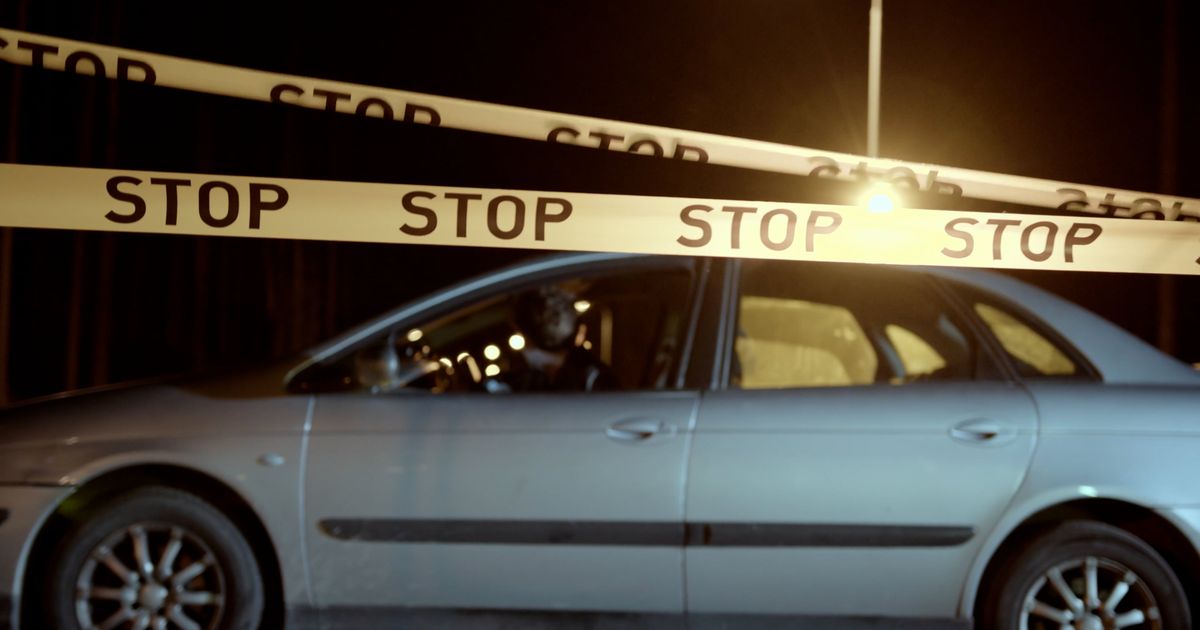
The alert that arrives while something can still be stopped, rather than the recording you watch afterwards to work out what happened.
- Protective-equipment detection and restricted-zone intrusion
- Fire, smoke and spill detection on site
- Incident alerting to the people on duty, in seconds
What you get back
- A working detection system on your own footage, measured against your own examples — not a vendor's demo reel.
- Honest accuracy numbers, including what it gets wrong and how often.
- Deployment on site where the connection cannot be trusted, in the cloud where it can.
- Alerts that reach the person who can act, in the channel they already watch.
- Retraining as your product, packaging or site changes, so the system stays accurate.
Not sure which one you need?
Tell us what is eating your team's week. We will tell you which of these fixes it, and roughly what it costs. If the honest answer is that you should fix something else first, you will hear that too.